24/7 Emergency Service101-3993 Henning Drive Burnaby BC V5C 6P7

Poly B and Your Home Insurance in British Columbia

For most Metro Vancouver homeowners, the insurance renewal is what turns Poly B from a someday problem into a this-year problem. Here is what insurers are actually doing, why, and what changes once the pipe is out.
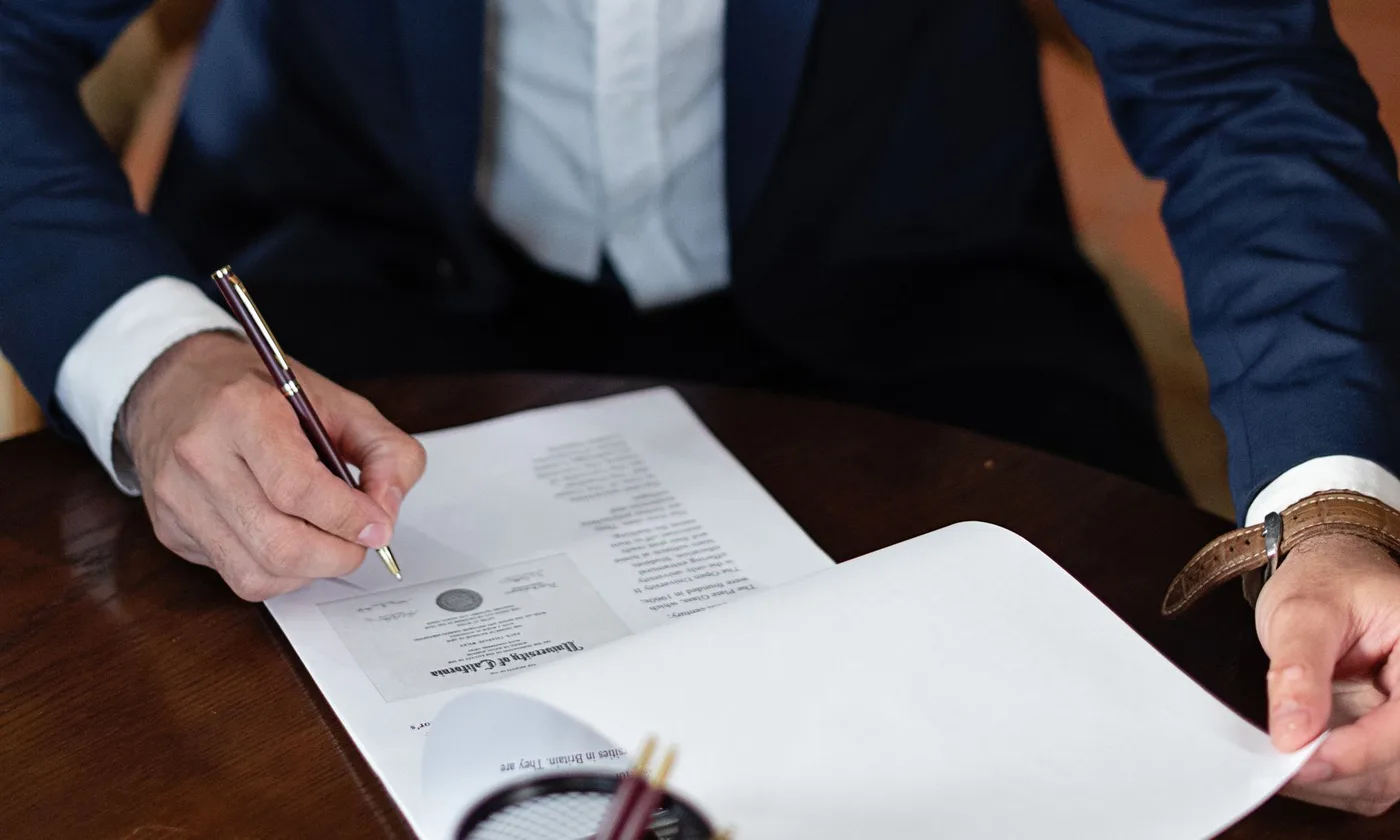
Signing home insurance paperwork at a desk
What Changed

Poly B Is Now Priced as a Known Risk

Water damage is the most expensive class of home claim in British Columbia, and insurers have gotten precise about what causes it. A plumbing system past its design life, that fails without warning, inside finished walls, is exactly the profile they are trying to price out.

Higher premiums

The mildest outcome, and the most common. You keep full coverage and simply pay more for it every year, indefinitely.

A raised water-damage deductible

Some insurers keep the premium flat but move the water-damage deductible sharply upward, so you carry far more of any claim.

An inspection report required

Coverage continues, but only once a licensed plumber has assessed the system and the report has been filed.

Exclusion or non-renewal

The hardest outcome: water damage from the supply plumbing is written out of the policy, or the renewal simply is not offered.

Practice varies a lot between BC insurers — some have no upfront premium loading at all and handle it entirely through the deductible. Your broker is the only one who can tell you where your policy sits. Nothing on this page is insurance advice.

After Replacement

Replacing It Puts You Back in the Normal Pool

This is the part worth understanding: the penalty is attached to the material, not to your address. Take the Poly B out and document it, and the reason for the loading disappears.

  • ✓Coverage eligibility returns — insurers who would not write a policy on a Poly B home will quote a PEX one normally.
  • ✓Premiums commonly fall 10–20% — the exact figure depends on your insurer and the rest of your policy.
  • ✓Exclusions come off — supply-plumbing water damage goes back to being covered like any other peril.
  • ✓You can shop the market again — with Poly B, your options narrow. Without it, you can put the policy out to competing quotes.
  • ✓It transfers to the buyer — the documentation is an asset when you sell, not just while you own.

The package we hand you

Every repipe we complete finishes with the documentation an insurer or a buyer’s lawyer will ask for:

  • Licensed contractor invoice describing the work
  • Municipal plumbing permit
  • Final inspection record
  • Photographs of the installed system
  • Materials and warranty details
Book a Free Assessment →
What to Do Now

Three Steps, In This Order

  • ✓Confirm what you have — five minutes with a flashlight settles it. Here is how.
  • ✓Ask your broker the direct question — what does my policy say about Poly B, and what changes at renewal?
  • ✓Get a written quote before you answer — walking into that conversation with a real number and a timeline is a much stronger position than walking in with a question.
What It Costs →How Replacement Works

Keep Reading

FAQs

Poly B and Insurance

Some will decline to renew, but outright cancellation mid-term is uncommon. What is far more common is a renewal that comes back with a higher premium, a much larger water-damage deductible, a request for a plumbing inspection report, or an endorsement that excludes water damage originating from the supply plumbing. The range of responses across BC insurers is wide, which is why it is worth asking your broker directly rather than assuming.
If they ask, yes — answer accurately. Insurance operates on disclosure, and a claim denied for misrepresentation is a far worse outcome than a higher premium. Increasingly insurers ask about plumbing material on new applications and at renewal, so this is not something that stays quiet indefinitely.
Usually. Once the supply plumbing is PEX or copper and you can document it, the water-damage risk your insurer is pricing goes away. Homeowners commonly see premiums drop in the range of 10 to 20 percent, and more importantly the exclusions and inflated deductibles come off. Your actual result depends on your insurer and the rest of your policy.
Generally: an invoice from a licensed plumbing contractor stating what was removed and what was installed, the plumbing permit, and the final inspection record. We assemble that package as standard at the end of every repipe — along with photos of the work — because it is what gets the file closed cleanly with both an insurer and, later, a buyer.
That is a judgement call, and it depends on how long you plan to stay. Worth knowing: the trend across BC has moved one direction only, and it has moved quickly. A policy that is quiet about Poly B today is not a guarantee about next year’s renewal, and the cost of replacing on your own schedule is always lower than replacing after a failure or under a deadline.
It depends entirely on your policy wording. Sudden and accidental water damage is typically covered — but if your policy carries a supply-plumbing exclusion, or a very high water-damage deductible, you may end up carrying most of the repair yourself. This is exactly the scenario the exclusions are written for, so read the renewal documents rather than assuming the coverage you had five years ago still applies.

Renewal Coming Up?

We will assess your system free and give you a written quote you can take to your broker before you have to answer them.

Book Now (604) 636-3939
Emergency: (604) 636-3939📅 Book Now