Main Sewer Drain Clearing
When more than one fixture backs up at once, the problem is not in any of them. It is in the line they all share, and that is the one you do not want to leave.
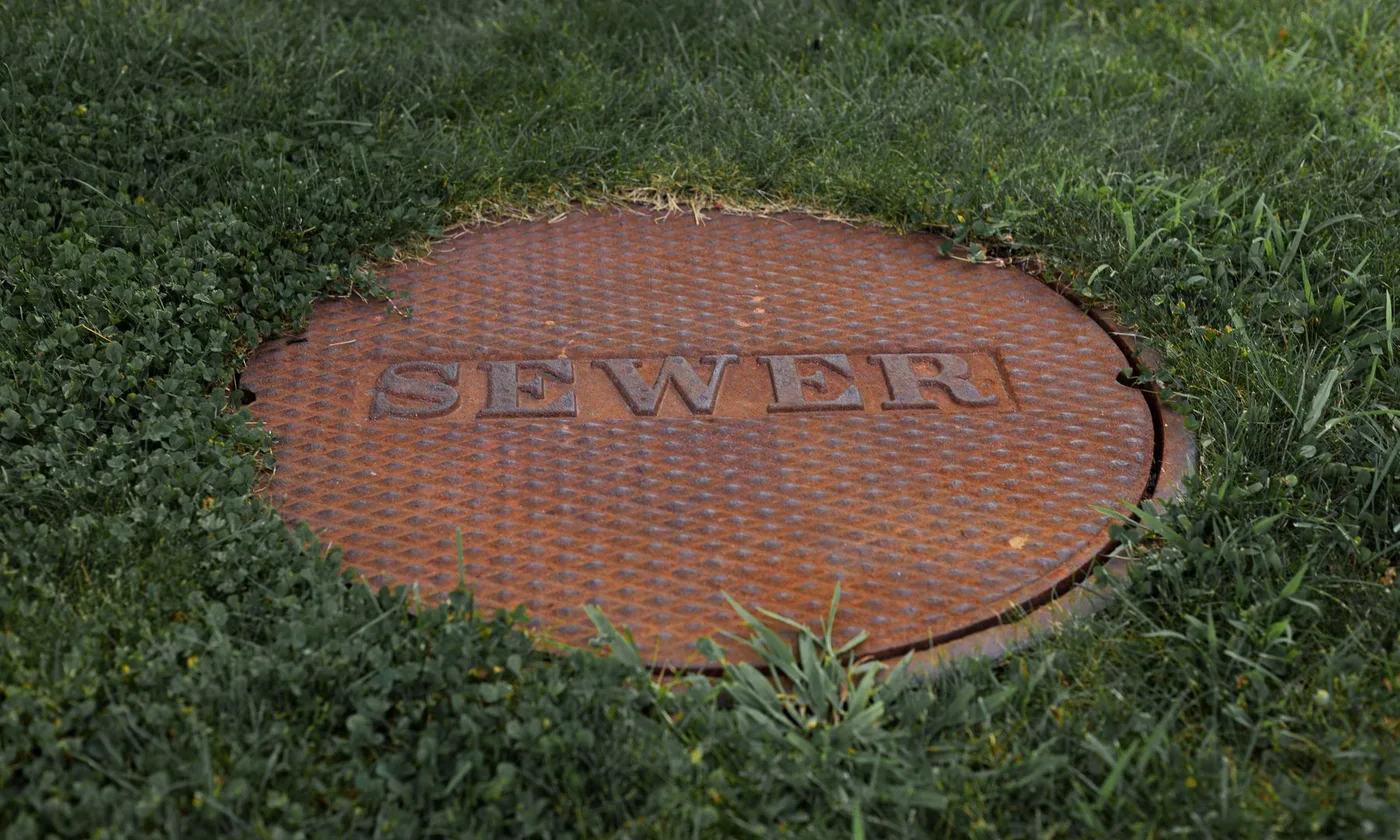
When more than one fixture backs up at once, the problem is not in any of them. It is in the line they all share, and that is the one you do not want to leave.
The main sewer line carries every fixture in the building out to the street. A blockage in it does not affect one room — it affects everything, and it surfaces at the lowest opening, which is usually a basement floor drain or a ground-floor tub.
We clear it, then put a camera down. On a main line the inspection is not an upsell; it is the difference between knowing you had a one-off and knowing you have roots that will be back before next winter.
In established Metro Vancouver neighbourhoods this is the usual answer to “why does it keep doing this?”
An older clay or concrete line has joints, and joints shift slightly over decades. Roots detect the moisture escaping from a hairline gap, grow toward it, and then thicken inside the pipe where conditions are ideal. By the time it blocks, the mass can fill the bore.
Cut the mass out and restore the bore, then camera the line to find exactly where they came in and how bad the defect is — located and marked from the surface, so nobody has to dig exploratively.
That it is permanent. Cutting restores flow, but the way in is still there and roots grow back toward it. Many affected properties settle into a one-to-three-year rhythm. The camera is what lets you choose between maintaining it and fixing the pipe.
Blocked drains rarely travel alone. Here is what else we handle.
Stop running water into the system and call. We run 24/7 for this.